Icons and Logos on Chocolate Bars 1
Fairtrade
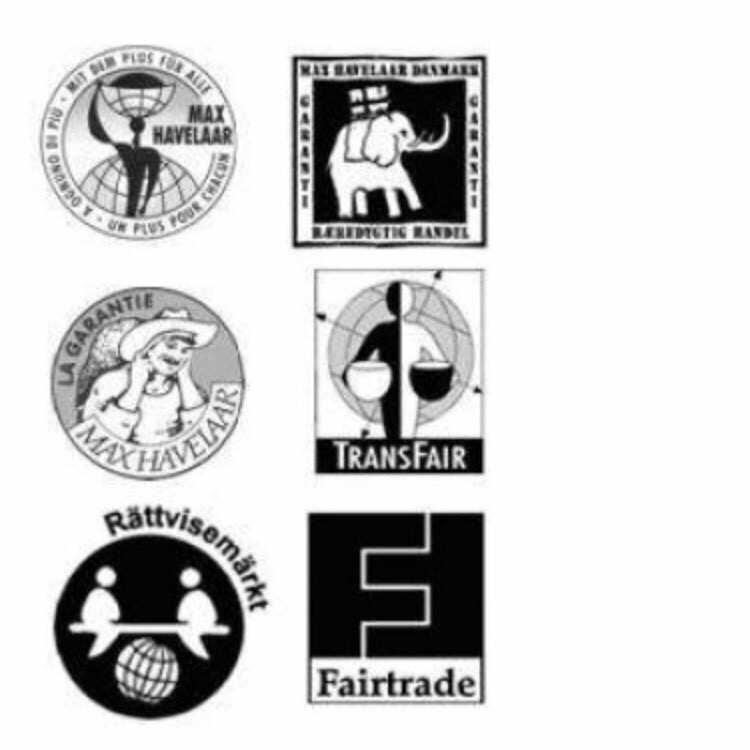
If you see something like these symbols on the packaging of a product, rest assured—civilization has reached you.
Most often, these are products that are made using manual labor (coffee, tea, bananas, chocolate, rice, cocoa, honey, cotton, wine, fresh fruit, and spices).
In the past, consumers didn’t really give much thought to issues such as child labor, unbearable working conditions, forced labor, high worker mortality rates, the destruction of the natural environment in Third World countries, and outdated production technologies. Why? Well, turning a blind eye to the problem is easier than anything. People turned a blind eye until the principles of “fair trade” were introduced in 1968. Over the past forty years, this alternative to the capitalist retail chain has spread to many countries and has even established itself as a way of life, so to speak, among progressive people.
Of course, I should give a simple example here. I’ll come up with one right now. For example, take Ecuador: here’s a slave picking bananas. He isn’t paid a thing. He’s been putting bananas into baskets for decades, until he dies. His children share his fate. In the past, people in the West were willing to buy bananas despite the existence of slavery. Now young people from Europe and America work in Third World countries, ensuring that the goods they purchase are produced only by free people who receive wages and have social benefits, that child labor doesn’t turn into child murder, and that profits go back to the producers of the goods. Such producers—usually small business owners—are granted the right to display the Fairtrade label on their product packaging. Buying goods without this label, on the other hand, is not cool.
So, if you want to be sure that no child labor was used in the production of your favorite chocolate, that the farmer and his family received fair payment for their goods, and that their village has new schools—choose products labeled “Fairtrade.”
CacaoTree.ru